
The idea that Chuck Norris was too dangerous for the UFC has circulated for years among martial arts fans. Many wonder why a legend with such a fearsome reputation never stepped into the octagon. The truth reveals a mix of timing, career choices, and the evolution of combat sports. Norris built his name in an earlier era of point-based karate tournaments rather than no-holds-barred fighting. His skills commanded respect even from modern MMA athletes. Yet he never competed in the UFC format that emerged decades after his prime.
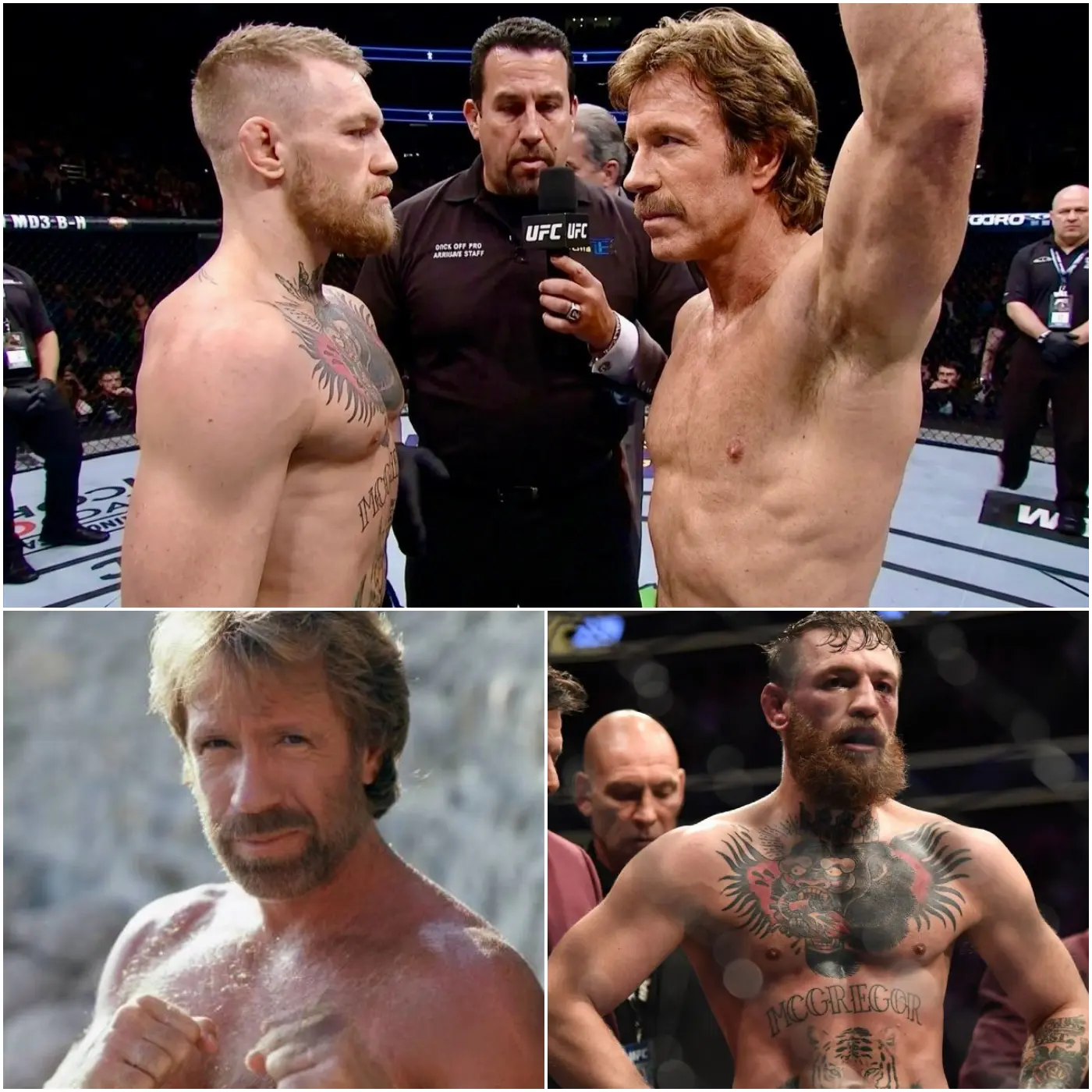
Chuck Norris began his martial arts journey during his time in the United States Air Force. Stationed in South Korea in the late 1950s he trained in Tang Soo Do and earned his black belt. This foundation shaped his powerful kicking style and disciplined approach. Upon returning to the United States he continued training and opened karate schools while working other jobs. His dedication soon led him into competitive tournaments where he quickly made a name for himself. Norris demonstrated exceptional speed power and strategy in these early bouts.
By the mid-1960s Norris was dominating the American karate scene. He won major titles including the All-American Karate Championship at Madison Square Garden in 1967. There he defeated strong competitors like Joe Lewis in impressive fashion. His victories showcased a blend of traditional techniques with innovative adaptations. Fans and fellow fighters noticed his ability to control distance and deliver devastating kicks. Norris defended his titles successfully multiple times building an impressive tournament record.
In 1968 Norris claimed the Professional Middleweight Karate Championship. He held this title for six consecutive years which highlighted his consistency and skill. During this period he also secured the All-American Championship again in a round-robin format. These achievements established him as one of the top karate practitioners in the world. His style emphasized precision powerful roundhouse kicks and strong counterattacks. Many observers considered him nearly unbeatable in the point-fighting rules of that time.
Norris retired from active competition around 1974 after compiling a strong record of tournament wins. Some sources cite an overall competitive record approaching 183 wins with only a handful of losses including unofficial bouts. He earned recognition as Fighter of the Year by Black Belt magazine in 1969. That same year he won the karate triple crown for the most tournament victories. His success attracted celebrity students and boosted the popularity of martial arts in America. Norris transitioned smoothly into acting while maintaining his martial arts schools.
The UFC launched in 1993 as a new format featuring mixed martial arts with minimal rules. Fighters combined striking grappling and submissions in a cage environment. By then Norris was already in his fifties and focused on his Hollywood career. His tournament days had ended nearly two decades earlier when combat sports looked very different. Point karate tournaments awarded points for controlled techniques rather than allowing full-power strikes or ground fighting. The no-holds-barred style of early UFC would have required entirely new training and rule adaptations.
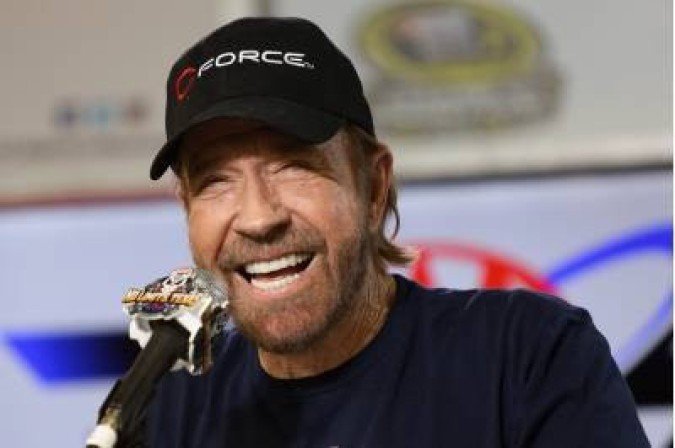
Many fans speculate that Norris was considered too dangerous for the UFC due to his legendary power and reputation. In reality the timelines simply did not align for him to compete there. He had already retired from fighting long before the organization existed. Norris supported early UFC events and praised pioneers like Royce Gracie and Dan Severn. He appeared at some events and showed respect for the athletes pushing the boundaries of mixed martial arts. His presence added credibility to the sport during its controversial early years when critics called it human cockfighting.
Chuck Norris developed his own martial art called Chun Kuk Do which means the universal way. This system incorporated elements from Tang Soo Do taekwondo karate judo and later Brazilian jiu-jitsu. He earned high-degree black belts in multiple disciplines including an eighth dan in taekwondo as the first Westerner to receive that rank. Later in life he trained in Brazilian jiu-jitsu earning a third-degree black belt. These skills demonstrated his lifelong commitment to learning and evolving as a martial artist. His system emphasized practical self-defense ethical principles and physical fitness.
Norris befriended Bruce Lee and appeared with him in the 1972 film Way of the Dragon. Their on-screen fight scene became iconic and showcased both men’s abilities. Although they never competed against each other in a real match their mutual respect was evident. Lee reportedly valued Norris as a formidable opponent. This collaboration helped elevate Norris’s profile in Hollywood and introduced him to a global audience. His acting career took off with films like Missing in Action and The Delta Force where he performed many of his own stunts.
The Chuck Norris facts meme exploded in popularity during the 2000s exaggerating his toughness in humorous ways. These jokes portrayed him as invincible with absurd claims about his strength and invulnerability. Norris embraced the phenomenon with good humor and even referenced some of his favorites on his website. The meme boosted his cultural impact far beyond martial arts circles. Yet it sometimes overshadowed his real accomplishments as a competitor and instructor. Fans still debate how he would have fared in modern MMA rules.
In his prime Norris possessed powerful legs and excellent timing that made him dangerous in stand-up fighting. His roundhouse kicks could generate tremendous force and he excelled at closing distance quickly. However early UFC emphasized grappling and submissions which were less prominent in his tournament era. Fighters like Royce Gracie used Brazilian jiu-jitsu to dominate larger opponents on the ground. Norris trained in grappling later in life but his competitive peak occurred before mixed martial arts became mainstream. Speculation about dream matchups continues among enthusiasts.
Norris opened numerous karate schools and trained thousands of students over the years. His teaching emphasized discipline respect and continuous improvement. Celebrity clients included Steve McQueen Bob Barker and members of the Osmond family. These connections helped popularize martial arts training in the United States during the 1970s and 1980s. Many of his students went on to compete successfully in various formats. Norris also wrote books and produced instructional materials to share his knowledge widely. His influence extended well beyond personal competition.
The truth behind why Chuck Norris never fought in the UFC boils down to age career shift and differences in fighting formats. He was over fifty when the first UFC event took place and had long since retired from tournament competition. The rules and demands of no-holds-barred fighting differed significantly from the point karate he mastered. Norris chose to focus on acting family and promoting his martial arts system instead of returning to the cage. He expressed admiration for UFC fighters and attended events showing support for the sport’s growth.
Modern MMA fighters have spoken positively about Norris and his contributions to martial arts. Some credit him with helping legitimize combat sports through his public persona and films. Others note that he trained with top grapplers later in life demonstrating humility and a desire to learn new skills. His black belt in Brazilian jiu-jitsu came from respected instructors in that art. These efforts showed that Norris remained dedicated to martial arts even after his competitive days ended. Respect from the MMA community underscores his lasting legacy.
Norris faced personal challenges including health issues in his later years but maintained an active lifestyle. He advocated for fitness and moral values through his public appearances and writings. His foundation supported various charitable causes including veterans and at-risk youth. These efforts reflected the principles he taught in Chun Kuk Do such as honor and community service. Fans worldwide continued to celebrate his achievements in both fighting and entertainment. The debate over his potential in UFC often highlights how combat sports have evolved over decades.
Early karate tournaments in Norris’s era featured strict rules against excessive contact especially to the head in many divisions. Fighters scored points for clean techniques and matches stopped frequently for scoring. This format rewarded precision and control more than raw knockout power or endurance in prolonged grappling exchanges. Norris excelled under these conditions winning multiple world-level titles in professional middleweight divisions. Critics sometimes point out that his record reflects point fighting rather than full-contact kickboxing or MMA. Supporters argue his power and skill translated effectively regardless of rules.
When the UFC debuted it shocked the world with its raw brutality and variety of techniques. Fighters from different backgrounds clashed in ways never seen before on mainstream television. Brazilian jiu-jitsu proved highly effective against strikers while wrestlers dominated with takedowns. Striking arts like karate needed significant adaptation to survive in the cage. Norris’s generation of champions operated in a separate competitive landscape with its own champions and traditions. The crossover between eras remains a fascinating topic for martial arts historians.
Chuck Norris promoted martial arts through his films and public image helping bring karate and action movies to a broad audience. His characters often embodied toughness justice and resilience which resonated with viewers. These portrayals amplified his real-life reputation as a skilled fighter. While some aspects of his on-screen fights were choreographed they drew from his genuine abilities and training. Norris performed impressive physical feats well into middle age demonstrating dedication to fitness. His influence helped inspire new generations to train in various martial arts.
The notion of Norris being too dangerous for the UFC stems largely from internet lore and fan discussions rather than official statements. No evidence suggests the UFC avoided him due to safety concerns or his skill level. Instead practical factors like age retirement and focus on other pursuits explain his absence. Norris himself never expressed regret about not competing in MMA. He viewed his tournament career as complete and embraced new opportunities in entertainment and education. His support for the sport indicated appreciation for its evolution.
Fellow martial artists from his era like Bill Wallace and Joe Lewis also pursued different paths after their competitive peaks. Wallace became a renowned kickboxer while Lewis transitioned into teaching and occasional full-contact bouts. Norris chose acting and school ownership which allowed him to impact more people over time. Each champion adapted to changing circumstances in unique ways. Their collective contributions helped shape American martial arts culture during a pivotal period. Comparisons between eras often spark lively debates online.
In later interviews Norris discussed training with Brazilian jiu-jitsu experts and adapting his techniques. He acknowledged the effectiveness of ground fighting and sought to incorporate it into his system. This openness to learning demonstrated intellectual humility uncommon among some established champions. His Chun Kuk Do style evolved to include more comprehensive self-defense elements suitable for real-world scenarios. Students benefited from this holistic approach combining striking grappling and mental discipline. Norris emphasized that true mastery involves lifelong growth.
The UFC has paid tribute to Norris in various ways recognizing his role in popularizing martial arts. Fighters and commentators have referenced his legacy during events and interviews. Some modern athletes train elements of traditional karate alongside MMA techniques showing ongoing cross-pollination. Norris’s powerful kicks and conditioning methods still influence training regimens today. His story illustrates how individual excellence in one era can inspire innovation in the next. Fans continue exploring hypothetical matchups using modern analysis tools.
Ultimately the truth reveals that Chuck Norris built a remarkable career on his own terms without needing UFC validation. His tournament victories black belt achievements and cultural impact stand on their own merits. The dangerous reputation grew from real skill combined with Hollywood amplification and internet memes. While he never entered the octagon his influence permeates combat sports to this day. Younger generations discover his story through films facts and discussions about martial arts history. Norris remains an enduring symbol of dedication perseverance and quiet strength.
Exploring why Chuck Norris never fought in the UFC uncovers deeper insights into the development of fighting sports. From point karate dominance to mixed martial arts explosion the landscape shifted dramatically. Norris navigated these changes gracefully focusing on legacy building rather than late-career comebacks. His example encourages practitioners to respect different eras and styles while pursuing personal excellence. The conversation around his potential UFC performance keeps martial arts enthusiasts engaged and learning. His life demonstrates that true toughness extends far beyond any single competition or organization.
Norris passed away in March 2026 at the age of 86 leaving behind an immense body of work and inspiration. Tributes poured in from across the martial arts and entertainment worlds highlighting his positive influence. MMA figures remembered his support during the UFC’s formative years when public acceptance was uncertain. His family schools and foundation continue carrying forward the values he championed. The legend of Chuck Norris endures not just through memes but through the real impact he made on countless lives. Understanding the facts behind the myths enriches appreciation for his unique journey.
This detailed look at Norris’s career clarifies the separation between his competitive prime and the rise of the UFC. No single factor made him too dangerous for the organization but rather a combination of historical timing and personal choices. His story serves as motivation for aspiring fighters to train hard adapt wisely and build meaningful legacies. Martial arts evolve continuously yet foundational figures like Norris provide timeless lessons in discipline and respect. Fans worldwide celebrate both the man and the myth while recognizing the truth of his accomplishments.
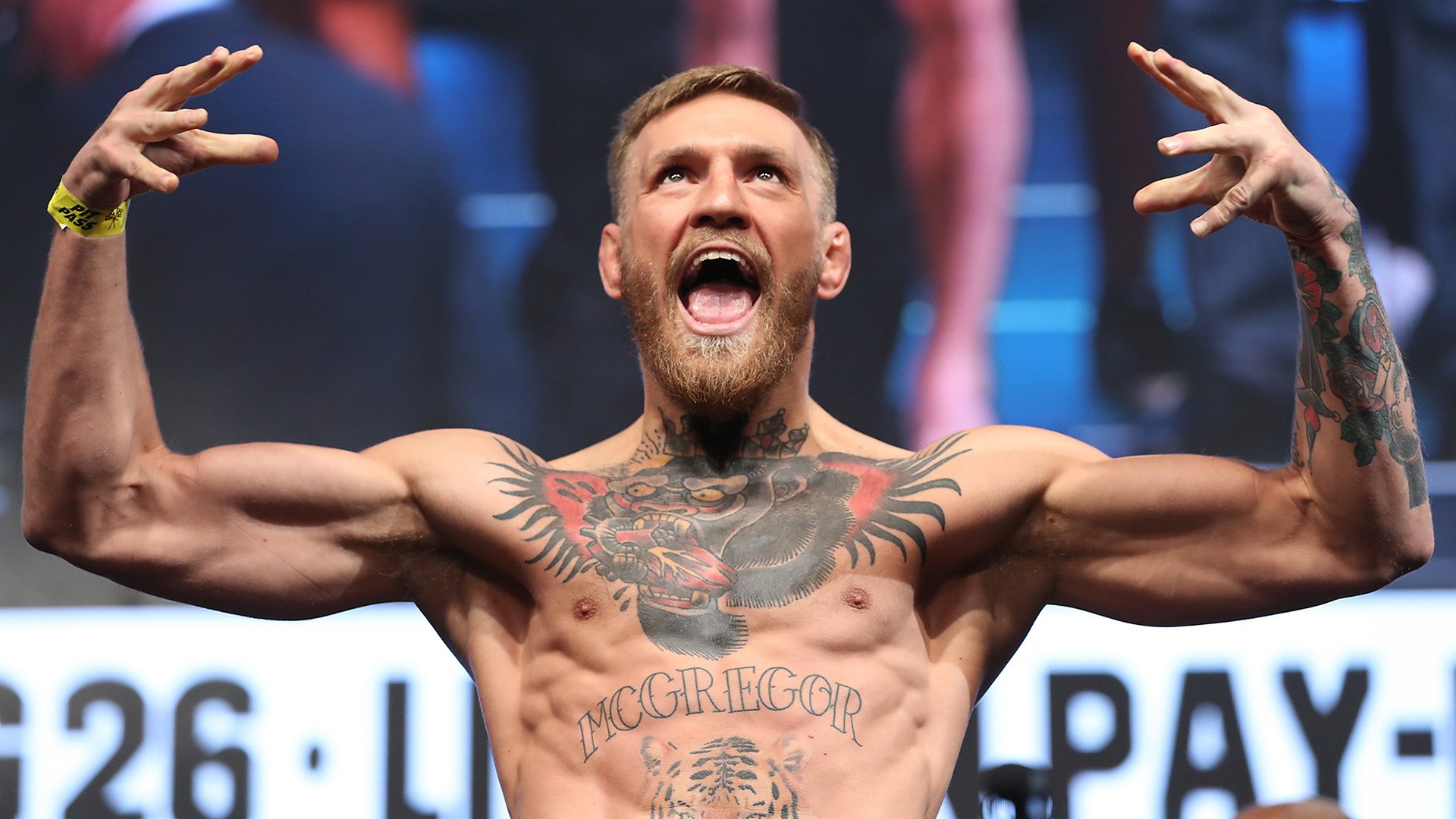
The enduring fascination with Chuck Norris and the UFC question reflects broader curiosity about cross-era comparisons in sports. Analysts use video footage records and expert opinions to speculate on potential outcomes. Such discussions highlight how rules equipment and training methods shape fighter success. Norris excelled in his domain much like modern champions dominate theirs. Bridging these worlds fosters greater understanding and unity within the global martial arts community. His life reminds us that greatness manifests in many forms beyond victory in one specific arena.
In conclusion the tale of why Chuck Norris was considered too dangerous for the UFC blends fact legend and speculation into a compelling narrative. His real achievements in karate tournaments black belt mastery and cultural contributions create a legacy that transcends any single fight or organization. While he never competed in the UFC his support and influence helped the sport gain traction. Future generations will continue debating his hypothetical matchups while drawing inspiration from his dedication. The truth celebrates a pioneer who shaped martial arts history on his own remarkable path.